If you invest any time on a construction website, you get used to shouting over generators, hammer drills, turning around alarm systems, effect vehicle drivers, grout pumps and vehicles. The problem is, your ears do not obtain made use of to it. They get damaged by it.
As someone who has invested years providing basic construction induction training (the CPCWHS1001 Prepare to function safely in the building market course) in places like Adelaide, Darwin and Perth, I have satisfied much too many employees that currently have permanent hearing loss in their 30s and 40s. Several thought hearing defense was something you bothered with "later" or on the noisiest jobs.
Noise is not an optional subject tacked onto the end of a white card course. It rests right in the middle of what a building and construction induction card has to do with: discovering how to go home daily with the same wellness you got here with.
This short article looks at sound on building and construction sites from a functional white card perspective. Whether you are practically to get a white card, already hold a building and construction white card and want a refresher, or monitor teams under the Building and Construction General On-site Award 2020, the aim is to provide you usable, real-world guidance.
How loud is a building website, really?
Most employees ignore sound levels. "It's not that poor" is something I hear usually throughout white card training in Adelaide or Hobart. Then we put an audio level meter on the table.
To provide you a feeling, below are typical sound levels I have actually measured or seen on actual websites:
- 80-- 85 dB: Active site substance with generators humming, typical discussion at 1 metre starts to feel stretched 90-- 95 dB: Round saw cutting wood, concrete vehicle chute running, impact drivers in a constrained location 100-- 105 dB: Jackhammering concrete, demonstration saws cutting stonework, some dogging and rigging operations near plant 110-- 115 dB: Concrete breaker in a tiny room, grinders on steel with poor damping, some mobile plant alarm systems nearby 120 dB and above: Unanticipated effect occasions like steel dropping on steel, explosive tools, or misused air tools
Under Australian WHS laws and codes of practice, once normal exposure reaches the matching of 85 dB over an 8 hour day, listening to damage risk climbs sharply. A great deal of construction work sits over that, also if it does not "feel" painfully loud.
The human ear likewise adapts. After 20 or thirty minutes in a loud area, your brain songs a few of it out so you can function, yet the physical damage to the inner ear continues. That is why relying upon your perception of volume is unstable and risky.
Why sound is more than simply "a little sounding"
Most people just start taking sound seriously when they observe ringing in their ears in the evening or struggle to comply with discussion in a bar. By that time, some of the damage is currently permanent.
Here is the brief version of what occurs. Inside your inner ear are little hair cells that convert vibrations right into signals your brain checks out as noise. Those cells are delicate. Excessive resonance for as well lengthy and they flex, break or pass away. Your body does not change them. Once they are gone, they are gone.
On building websites, damage usually comes from:
- Long periods in "moderately" noisy areas without defense, such as next to generators, compressors or plant Short, extreme ruptureds from very noisy activities like jackhammering, grinding or explosive power devices
Noise-induced hearing loss has a tendency to approach. It usually begins with shedding the greater frequencies, so you have problem with understanding speech, specifically if there is history noise. Lots of workers criticize "mumbling" pupils or inadequate walkie-talkies when the actual problem is their own hearing.
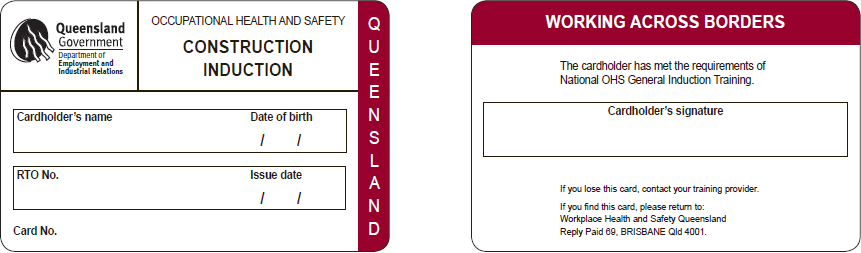
Tinnitus, that continuous ringing or whitecard training perth hissing audio in your ears, is additionally typical in construction. I have actually had experienced woodworkers in white card refresher sessions define it as "the sound that stops you ever before having proper silence once again". Not every person develops ringing in the ears, yet if you do, it can affect sleep, focus and psychological health.
What your white card really covers concerning noise
The CPCWHS1001 Prepare to work securely in the building industry device may appear broad on paper. It covers construction emergency situation treatments, dangerous compounds, electrical safety, dirt on building websites, asbestos building sites and even more. Sound does not get its very own section heading, however it is woven through numerous core subjects:
- Identifying typical building and construction risks Understanding danger controls using the hierarchy of control Knowing when and exactly how to utilize PPE on a building and construction website Following building and construction site indicators and instructions
During a decent white card course, whether in Adelaide, Darwin, Hobart or online where enabled, an instructor ought to stroll you via actual examples. As an example, they may compare a quiet industrial fitout with a passage job involving hefty plant. You must speak about when listening to defense is mandatory under the website regulations, and what your duty is if you see or listen to something unsafe.
Good fitness instructors do not hand you "CPCCWHS1001 white card responses". They press you to assume. If you take nothing else from the sound section of basic building induction training, take this: you are allowed to speak up if a work area is also noisy and controls are not in position. WHS law in Australia provides you that right and your white card is your initial introduction to it.
If you are new to construction or beginning a construction instruction, treat noise as seriously as operating at elevations or electrical safety and security on construction websites. The damage might be less significant than a fall, but the effect on your life can be equally as real.
Legal responsibilities around noise in construction
Regardless of which state or territory you work in, the fundamental framework coincides. Safe Work Australia's version WHS regulations and regulations laid out exactly how companies and workers need to manage sound. Each territory after that adopts or fine-tunes those rules.
In method, that implies:
Employers or PCBUs have to recognize sound dangers, procedure or reasonably quote exposure, and eliminate or reduce threat so far as is moderately possible. That can involve design controls (quieter plant, rooms), administrative controls (task rotation, limiting time near loud plant) and PPE.
Workers should follow directions and training, use PPE correctly, and record concerns. If the website induction states "listening to security is compulsory within this line", your white card alone is not a shield if you disregard that rule.
Some states release extra information, like advice on the NSW white card expiration regulation or certain advice for mining white card owners, but the basic noise tasks align. Whether you attend an Adelaide white card course, a Darwin white card session, or a Perth white card class, you ought to hear a constant message about sound obligations.
For job supervisors, managers and business white card training customers, it likewise connects right into wider building licences in Australia. Regulators anticipate that if you hold licences or take care of jobs, your websites are not subjecting workers, neighbors or the public to uncontrolled noise.
Planning noise control prior to the job starts
The most effective noise control occurs before the very first hammer drill is plugged in. Frequently, sound is treated like a housekeeping problem, something you take care of later with a box of disposable earplugs at the baby crib room door.

When you intend job, specifically on bigger tasks or for team white card training customers, think about:
Work techniques. As an example, can you make use of pre-cut products, factory prefabrication or quieter taking care of techniques rather than on-site grinding or hammering? I have actually seen façade installers cut noise dramatically by switching over to pre-drilled panels and low-vibration fixings.
Plant selection. Modern plant and devices security in construction is about more than safeguarding and emergency quits. Several suppliers now provide sound rankings. When you choose in between two generators or more breakers, consider the decibel degrees, not just hire cost.
Site format. On tight urban sites you will not always have lots of choices, yet placing the noisiest plant away from lunch rooms, site offices and long-duration workstations assists. Temporary obstacles or containers can be utilized as acoustic screens in some cases.
Scheduling. You can lower cumulative exposure by setting up the loudest tasks in much shorter bursts, or sometimes when fewer people get on site. For instance, organise jackhammering in the early morning with a clear exclusion zone, instead of having it drag on throughout the day while half the trades work around it.
Communication with neighbors. Noise on a construction site does not quit at the hoarding. Good preparation, clear construction site signs, and honest conversations with neighboring organizations or locals concerning noisy stages of job can prevent complaints and stress from councils or regulators.
Practical controls on site: beyond earplugs
Once job begins, manages fall approximately right into three types: design, administrative and PPE. Your white card course introduces this as the pecking order of control, which additionally relates to other threats like silica dirt on building and construction sites, hand-operated handling, or operating at heights.
Engineering controls consist of silencing packages on compressors, mufflers, acoustic panels around dealt with plant, using low-noise blades and little bits, or placing tools on vibration-damping pads. On one Adelaide CBD work, we cut generator noise in the very beginning entrance hall by fifty percent merely by rearranging and boxing in the unit with lined ply and sealable gain access to doors.
Administrative controls involve things like work rotation so no employee invests the entire day right next to the noisiest plant, setting maximum direct exposure times for certain tasks, or assigning "listening to defense areas" with clear signs. Inductions and tool kit talks must reinforce those policies, and managers need to back them up consistently.
PPE is the last line of protection, not the first. On building websites you mainly see non reusable foam earplugs, recyclable silicone plugs, and earmuff-style protectors. Each has pros and cons. Plugs are light and cheap however simple to abuse or neglect. Muffs are extra evident and easy to examine at a glance, yet hot in summertime and less comfortable under helmets or with other PPE.
The critical point is healthy. Improperly placed earplugs can cut defense by over half. Throughout white card training in South Australia, I frequently obtain participants to put their own plugs, after that remove and return them slowly under supervision. Lots of understand they had actually been utilizing them incorrect for years.
Simple hearing defense practices to build
Once you get on website, you do not have time to run estimations or dig with tables every single time a loud job shows up. You require practices that come to be automatic.

Here are easy routines that make a real distinction:
- Keep at the very least one spare set of plugs in a clean pocket or bag so you are never ever "caught without" when a loud job instantly begins Put hearing protection on before you go into a significant sound area, not after you are inside heckling somebody Check that your muffs secure properly over your ears, particularly around hard hat bands, shatterproof glass arms and facial hair Replace non reusable plugs after each change at minimum, or earlier if they are unclean, broken or lose their shape Speak up if a coworker remains in a loud location without defense - a fast faucet on the shoulder and point to your very own ears can be sufficient
These behaviors are not made complex, yet they separate workers who keep the majority of their hearing from those that gradually shed it while telling themselves "it's only momentarily".
Noise and details building and construction roles
Different professions and roles encounter various patterns of noise exposure, which must shape just how you manage your risk.
Labourers and TA's typically move between jobs and locations. They might spend an hour helping with jackhammering, then an additional assisting with dogging and rigging near plant. For them, top quality, comfy PPE that is constantly with them is vital. Lots of select corded plugs so they do not get lost.
Carpenters, formworkers and concrete employees can encounter recurring however extreme noise from round saws, nail guns and concrete vibes. Woodworkers definitely need a white card like anybody else, and their carpenters white card training ought to strengthen that most of their "everyday" tools are loud enough to cause damage.
Electricians and plumbings often believe noise is extra "a chippy's problem". Yet service trades invest a lot of time in plant areas, ceiling rooms and cellars where echo and constrained spaces enhance tools sound. If you are asking "do electrical experts require a white card" or "do plumbing technicians require a white card", the solution is of course, and sound is one of the reasons.
Painters are not immune. While brush and roller job is silent, modern-day building paint often includes airless sprayers, fining sand, and working above or beside various other noisy professions. Do painters require a white card? Yes, if they get on a building site, and component of that induction ought to be understanding when to throw plugs in.
Engineers, land surveyors, task managers, realty representatives checking residential properties under construction, and also shipment vehicle drivers doing routine site drops all need to think of noise. A number of these duties hold a building induction card and move via several websites in a day. Brief brows through to loud locations still count towards total exposure, and great behaviors matter also if you are "just there for half an hour".
White cards, training layouts and noise
A recurring concern is "can I do the white card online?" Rules differ. Some states and territories insist on in person white card training or real-time video clip distribution to satisfy evaluation and identification requirements. Others permit more adaptable online formats.
For example, you may find:
- White card programs in Adelaide that are provided one-on-one or through real-time on the internet classroom Darwin white card and NT white card training with certain demands around the NT 60 day regulation for finishing the training course White card Perth suppliers using both company white card training for groups and public courses
Whichever format you choose, make sure the carrier is recognized to provide CPCCWHS1001 and issues a valid declaration of accomplishment plus the real building white card for your state or territory.
If you are brand-new to construction and questioning "the length of time does a white card course take", expect around one full day of training and analysis. It is not regarding memorizing white card examination responses from a PDF. It is about comprehending principles well enough to apply them on website, including sound control.
During the program, do not be https://jaredkcci468.timeforchangecounselling.com/movie-set-white-card-why-manufacturing-teams-required-construction-induction-training reluctant regarding asking practical concerns. For example:
How do I know if this device is too loud?
What happens if my supervisor tells me to skip hearing defense so I can "hear guidelines better"? Exist differences in between a SA white card and a VIC white card or a QLD white card that matter for noise rules?Good trainers will attend to these, and they usually share real case studies of workers that lost hearing or dealt with enforcement action since sound dangers were ignored.
Integrating sound right into everyday site communication
Noise control lives or passes away in the little, day-to-day communications on site. It is not nearly enough for management to place "noise" right into the WHS strategy and move on.
Site inductions need to clearly discuss hearing protection policies, reveal where sound areas are, and present appropriate construction website indicators. Tool kit talks are a good time to increase specific concerns, such as a new item of plant with a greater sound ranking or an adjustment in job sequence that will certainly develop louder work near a previously peaceful area.
WHS interaction on building and construction websites usually depends on supervisors leading by example. If leading hands or website managers put on PPE effectively and call out unsafe practices early, workers follow. If they walk into a hearing security zone with bare ears, everyone notices, even if nobody comments.
Incident reporting matters as well. If an employee experiences unexpected hearing loss, ear discomfort or extreme buzzing after a loud job, that is not simply "among those things". It is an occurrence and ought to be reported, investigated and utilized to improve controls.
Corporate white card clients and team white card training sessions are a good possibility to line up requirements throughout teams and subcontractors. Make it clear you anticipate regular behavior, whether employees get on a huge city project in Sydney, a regional job in Tasmania, or a residential integrate in South Australia.
Noise together with other website health and wellness hazards
Noise hardly ever shows up alone. The jobs that generate the most noise commonly feature other serious hazards:
Concrete cutting and grinding often generate both too much sound and silica dirt. Controls need to attend to both - damp cutting, local exhaust ventilation, plus hearing and respiratory system protection.
Demolition job can combine noise, asbestos risks on older websites, resonance and dropping objects. That calls for thoughtful sequencing, exclusion areas, and pre-commencement studies, not just much more PPE.
Plant and tools procedures https://martinymbn451.huicopper.com/white-card-course-web-content-break-down-security-topics-covered-in-cpcwhs1001 tie in sound, mobile plant dangers, web traffic control, warmth stress and guidebook handling. Turning around alarms conserve lives, however they additionally add to noise exposure, so wise site layout and watchmans are important.
Your white card course is not indicated to transform you right into an expert in each of these, yet it ought to provide you sufficient basing to acknowledge when several hazards accumulate and to examine whether controls are adequate.
A fast noise safety and security picture for workers
When I complete a white card training day, I such as to leave participants with an easy psychological list for sound. It is not a lawful paper, simply a memory aid you can run through as you stroll onto any kind of website, whether you remain in Adelaide, Brisbane, Canberra or Melbourne.
Ask on your own:
- Can I hold a regular discussion at one metre without increasing my voice? Otherwise, I possibly require hearing security Do I recognize where the noisiest areas and tasks will be today? If not, I need to ask throughout pre-start Do I have ideal, comfy hearing defense with me that I am prepared to put on correctly all day? Are there engineering or administrative changes we could make to lower the noise prior to relying on PPE? If I went home with ringing in my ears yesterday, have I told my supervisor and asked what can transform?
If the honest solution to the majority of these is "No" or "I'm not sure", treat that as a punctual to have a discussion prior to you get your tools.
Final thoughts: protecting the trade that feeds you
Many of the most effective tradies I have educated for many years - woodworkers, steel fixers, plant operators, electricians, painters and task managers - share a similar remorse. They took pride in toughing it out when they were younger. No muffs, plugs spending time the neck, standing best beside the loudest device to finish the job much faster. At the time it seemed like commitment. In knowledge it looks like neglect.
Your hearing is not a disposable source. It allows you take pleasure in music, follow your children' stories, listen to website traffic when you drive, grab directions on site, and remain linked to individuals around you. It also keeps you safe when alarms sound or a colleague screams a warning behind you.
The white card is your entrance ticket to the building and construction sector, whether you are starting in Adelaide, chasing operate in Darwin, or moving across from an additional state with a substitute white card. Use that first day of CPCWHS1001 training to reset how you consider noise. Ask the inquiries that matter. Develop the straightforward behaviors that shield you.
When you tip onto a loud building and construction site, keep in mind that the decision to put in earplugs or snap on muffs takes secs. The advantages last for every year you stay in the industry, and long after you hang up your tools.